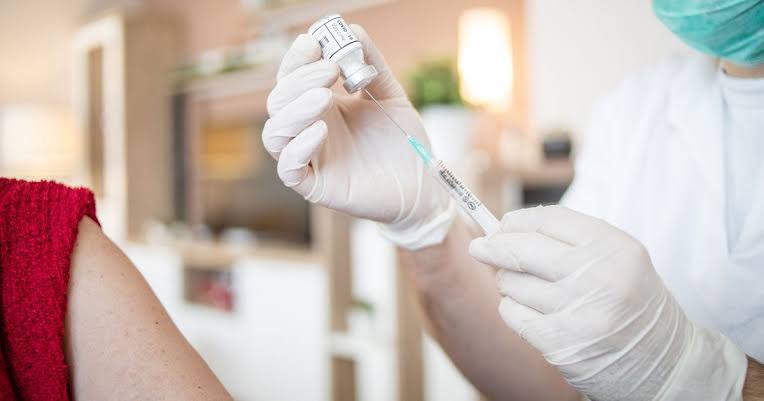
Solid individuals ought to get yearly Coronavirus sponsors to forestall far reaching episodes, proposes another review from Yale College and the College of North Carolina at Charlotte.
Yearly shots give barely sufficient recurrence to forestall gigantic episodes while not putting an unnecessary weight on individuals.
“There is by all accounts an enunciation point” at about a year, said senior creator Jeffrey Townsend, a biostatistician and transformative researcher at the Yale School of General Wellbeing. “Postponing supporting past that point quickly builds the gamble of a contamination.”
However government authorities have proposed yearly shots, this study is quick to look at the drawn out results from a promoter plan and the first to show that sponsors will be particularly successful at time frames over a year.
The review, distributed for the current month, zeroed in on individuals with solid safe frameworks. Townsend and his partners are beginning work on a comparative report checking out at the ideal immunization stretch for individuals with debilitated resistance from malignant growth treatment and other medical issues.
What the review found: Yearly shots forestall 75% of diseases
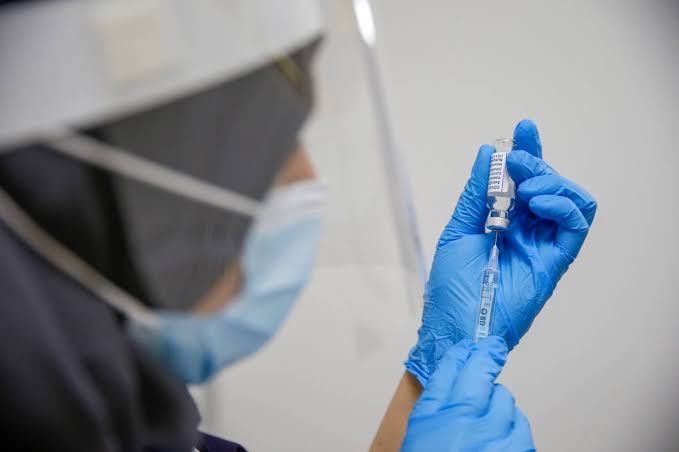
Helping two times per year diminished contaminations by over 93%, the group found, yet Townsend said it’s not sensible to request that individuals get immunization that frequently.
Yearly shots forestalled 75% of diseases, while holding up six additional months diminished the pace of assurance to simply 55%. Shots like clockwork forestalled only 24% of contaminations, the review found.
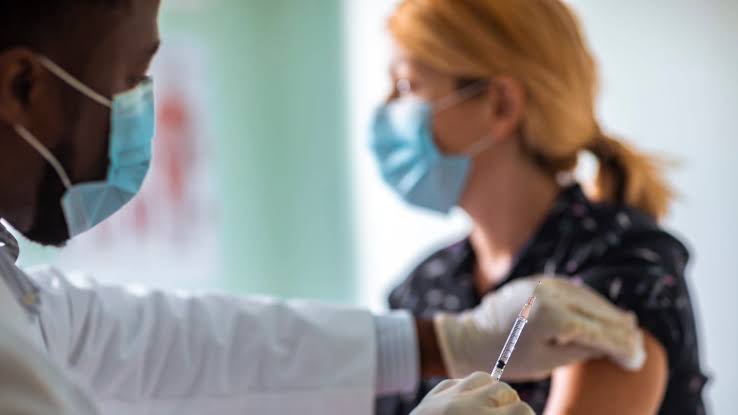
“Postponing the organization of refreshed promoters has somber repercussions,” it finished up.
Sponsors will not forestall all diseases
For sound individuals, “yearly helping truly has an effect,” said Alex Dornburg, a specialist in bioinformatics at the College of North Carolina Charlotte and a co-creator of the review.
About 3 of every 10 individuals will get tainted with Coronavirus even with a yearly shot, Dornburg said. However, 9 out of 10 will be contaminated without such updates.
Not getting supported significantly increases the gamble for disease more than six years, co-creator Hayley Hassler of Yale said.
The Places for Infectious prevention and Avoidance and most irresistible sickness specialists empower individuals, everything being equal, to get promoters.
The sponsor needs to continue to advance, as well
The infection keeps on developing, “so we really want to consistently advance the sponsor and keep it refreshed to the most pervasive variation,” Hassler said.
Over the long run, individuals will lose the capacity to answer successfully to the infection without sponsors or reinfections, Townsend said.
The most recent promoter is aimed at both the first Covid and the BA.4 and BA.5. Albeit these are not the most widely recognized variations any longer, the scientists said, the new sponsor is sufficiently close to give an advantage.
Receiving an immunization shot as opposed to being contaminated
The Coronavirus immunizations make side impacts; they can cause individuals to feel hopeless for a little while. Be that as it may, a contamination can be a lot of more regrettable, Dornburg said.
LATEST:People who haven’t had Coronavirus will probably get XBB.1.5 – and many will get reinfected, specialists say
How frequently do you really want a Coronavirus promoter shot? Yearly, new information proposes.
Solid individuals ought to get yearly Coronavirus supporters to forestall boundless flare-ups, proposes another review from Yale College and the College of North Carolina at Charlotte.
Yearly shots give barely sufficient recurrence to forestall immense episodes while not putting an unjustifiable weight on individuals.
“There is by all accounts an emphasis point” at about a year, said senior creator Jeffrey Townsend, a biostatistician and transformative scientist at the Yale School of General Wellbeing. “Deferring supporting past that point quickly expands the gamble of a disease.”
However government authorities have proposed yearly shots, this study is quick to look at the drawn out results from a sponsor plan and the first to show that promoters will be particularly viable at time frames over a year.
The review, distributed for this present month, zeroed in on individuals with sound safe frameworks. Townsend and his partners are beginning work on a comparable report checking out at the ideal immunization stretch for individuals with debilitated insusceptibility from disease treatment and other medical issues.
What the review found: Yearly shots forestall 75% of diseases
The specialists displayed immune response levels against the infection that causes Coronavirus assuming somebody was supported with a Pfizer-BioNTech or Moderna immunization like clockwork, one year, year and a half, two years or three years more than a six-year time frame.
Helping two times every year diminished contaminations by over 93%, the group found, yet Townsend said it’s not sensible to request that individuals get immunization that frequently.
Yearly shots forestalled 75% of diseases, while holding up six additio9nal months diminished the pace of security to simply 55%. Shots at regular intervals forestalled only 24% of diseases, the review found

Postponing the organization of refreshed promoters has depressing repercussions,” it closed.
For sound individuals, “yearly helping truly has an effect,” said Alex Dornburg, a specialist in bioinformatics at the College of North Carolina Charlotte and a co-creator of the review.
About 3 of every 10 individuals will get contaminated with Coronavirus even with a yearly shot, Dornburg said. Yet, 9 of every 10 will be tainted without such updates.
Not getting supported significantly increases the gamble for disease more than six years, co-creator Hayley Hassler of Yale said.
The Habitats for Infectious prevention and Counteraction and most irresistible illness specialists energize individuals, everything being equal, to get sponsors.
The sponsor needs to continue to advance, as well
The infection keeps on developing, “so we really want to constantly advance the supporter and keep it refreshed to the most predominant variation,” Hassler said.
Over the long haul, individuals will lose the capacity to answer actually to the infection without promoters or reinfections, Townsend said.
The most recent promoter is aimed at both the first Covid and the BA.4 and BA.5. Albeit these are not the most well-known variations any longer, the scientists said, the new supporter is sufficiently close to give an advantage.
LATEST:People who haven’t had Coronavirus will probably get XBB.1.5 – and many will get reinfected, specialists say
Receiving available immunizations as opposed to being contaminated
The Coronavirus immunizations make side impacts; they can cause individuals to feel hopeless for a little while. Be that as it may, a disease can be a lot of more terrible, Dornburg said.
In his own case, he felt horrible for two days after his most memorable round of shots. At the point when he got Coronavirus, however, his lungs hurt for a really long time and he was short of breath climbing a solitary stairway.
“It was terrible,” he said. “That adjusted me a tad in an unexpected way.”
Contracting Coronavirus gives security against future contaminations, yet like the antibody, the assurance blurs over the long haul, at generally a similar speed, Townsend said.
Furthermore, it’s better not to get tainted by any means.
“You can’t wind up in that frame of mind for a contamination you didn’t get,” Townsend said.
In one more review distributed Wednesday, specialists from the World Wellbeing Association analyzed 26 before papers and reasoned that individuals who are immunized or tainted stay better safeguarded against extreme illness a year after the fact contrasted and the people who are unvaccinated and never contaminated.
A year after somebody is both inoculated and tainted, they have a 95% diminished chance of getting serious Coronavirus or waiting be hospitalized, the review showed. Somebody tainted a year prior however not inoculated had a 75% decreased risk.
Getting contaminated and vaccined decreases the opportunity of reinfection a year after the fact by 42%. Somebody who was contaminated yet not immunized had a 25% lower chance of reinfection.
9How frequently do you really want a Coronavirus sponsor shot? Yearly, new information recommends.

Sound individuals ought to get yearly Coronavirus sponsors to forestall boundless flare-ups, recommends another review from Yale College and the College of North Carolina at Charlotte.
Yearly shots give barely sufficient recurrence to forestall colossal flare-ups while not putting an unjustifiable weight on individuals.
“There is by all accounts an emphasis point” at about a year, said senior creator Jeffrey Townsend, a biostatistician and developmental scientist at the Yale School of General Wellbeing. “Deferring helping past that point quickly expands the gamble of a contamination.”
However government authorities have proposed yearly shots, this study is quick to look at the drawn out results from a sponsor plan and the first to show that promoters will be particularly powerful at timespans over a year.
The review, distributed for this present month, zeroed in on individuals with solid resistant frameworks. Townsend and his partners are beginning work on a comparable report checking out at the ideal immunization stretch for individuals with debilitated invulnerability from malignant growth treatment and other medical conditions.
What the review found: Yearly shots forestall 75% of diseases
The scientists demonstrated neutralizer levels against the infection that causes Coronavirus in the event that somebody was supported with a Pfizer-BioNTech or Moderna immunization like clockwork, one year, year and a half, two years or three years more than a six-year stretch of time.
Supporting two times every year decreased contaminations by over 93%, the group found, yet Townsend said it’s not sensible to request that individuals receive available immunizations that frequently.
Yearly shots forestalled 75% of contaminations, while holding up six additional months diminished the pace of assurance to simply 55%. Shots at regular intervals forestalled only 24% of contaminations, the review found.
“Deferring the organization of refreshed promoters has distressing repercussions,” it conclu


 Health Care